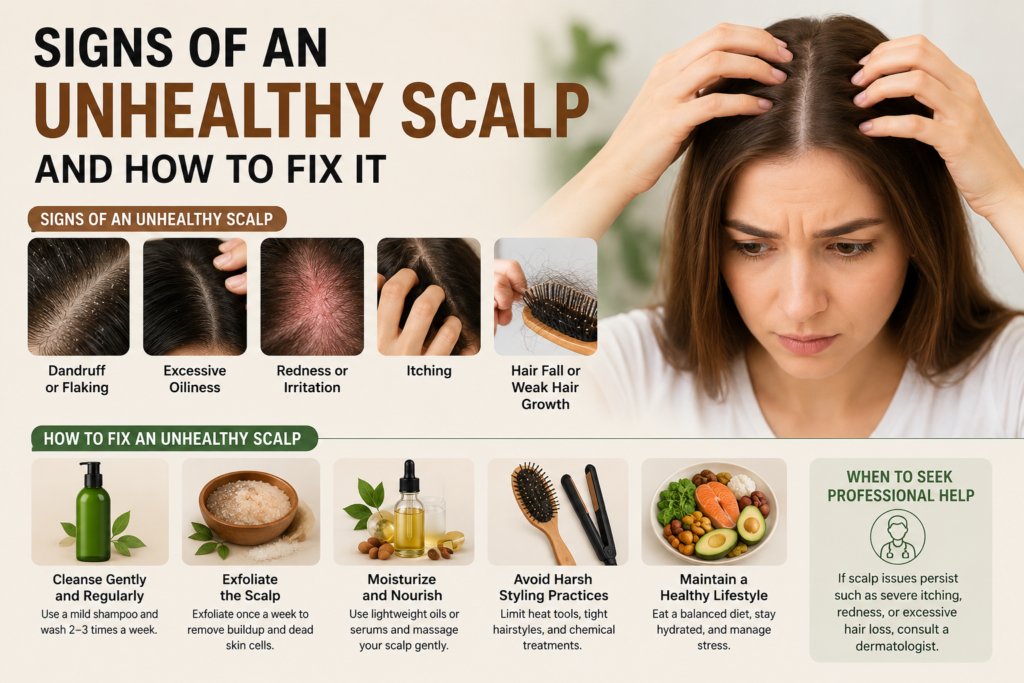
Hair loss can be frustrating, especially when it seems to be getting worse month after month. You start noticing more hair in the shower, a wider-looking part, or thinner areas on the scalp, and suddenly every hair-growth product starts looking interesting.
Minoxidil is one of the better-known treatments for hair loss. It has been used for decades and has more clinical research behind it than many of the oils, shampoos, and “growth” serums promoted online.
But that doesn’t mean it’s a miracle cure.
Minoxidil can help some people slow hair loss and regrow hair, but results vary. It also requires consistent use, and there are important things to understand before starting it.
This guide explains what minoxidil actually does, how to use it, how long results can take, possible side effects, and what happens if you stop.
What Is Minoxidil?
Minoxidil is a medication used topically on the scalp to help stimulate hair growth and slow certain types of hair loss.
It is available in different formulations, including liquid solutions and foams. In the United States, topical minoxidil products are widely available without a prescription.
The important point is that minoxidil treats hair loss; it doesn’t permanently cure the underlying tendency to lose hair.
The American Academy of Dermatology Association lists minoxidil among treatments that can help with hair loss and explains that it can stimulate growth and help prevent further loss.
Does Minoxidil Actually Work?
Yes, clinical research shows that topical minoxidil can improve hair growth compared with placebo in people with androgenetic alopecia, commonly called pattern hair loss.
A systematic review and meta-analysis of clinical studies found topical minoxidil to be more effective than placebo for increasing total and non-vellus hair growth.
But here’s where expectations matter.
Minoxidil doesn’t guarantee a full head of thick hair. The American Academy of Dermatology Association notes that it can help with early hair loss but cannot regrow an entire head of hair.
In other words, think of minoxidil as a treatment that may preserve and improve the hair you still have, rather than a way to completely reverse advanced baldness.
How Does Minoxidil Work?
The exact mechanism is more complicated than the simple explanation often seen online.
Minoxidil affects the hair-growth cycle and can help hair follicles remain in the growth phase for longer. This can result in thicker or longer-growing hairs in areas affected by pattern hair loss.
You don’t need to memorize the biology to use it, but you should understand one thing:
Minoxidil works on hair follicles; it doesn’t magically create new follicles where they no longer exist.
That’s one reason treatment tends to work better when hair loss is addressed earlier.
Minoxidil for Men
For men with androgenetic alopecia, topical minoxidil can help slow hair loss and encourage regrowth.
A randomized 48-week clinical trial involving 393 men compared 5% minoxidil, 2% minoxidil, and placebo. The researchers found that 5% topical minoxidil produced greater improvements in hair count and scalp coverage than both 2% minoxidil and the placebo.
The study also found that the 5% treatment produced an earlier response than 2%.
That doesn’t mean 5% is automatically the right choice for every person. Concentration, formulation, scalp sensitivity, medical history, and the actual cause of hair loss all matter.
Minoxidil for Women
Minoxidil is also used for female-pattern hair loss.
The American Academy of Dermatology Association describes minoxidil as the most-recommended treatment for female pattern hair loss and notes that both 2% and 5% products have been approved for this purpose.
Clinical research has also compared 5% and 2% topical minoxidil in women with female pattern hair loss. In a 48-week randomized trial involving 381 women, both concentrations performed better than placebo on some measures, while 5% showed stronger results on the primary efficacy measures.
Women who are pregnant, planning pregnancy, or breastfeeding should discuss minoxidil with a healthcare professional before using it. The AAD specifically advises avoiding minoxidil during pregnancy and breastfeeding.
Minoxidil Foam vs. Liquid
One of the most common questions is whether foam or liquid minoxidil is better.
Both can deliver minoxidil to the scalp. The bigger difference for many people is how the formulation feels and how well they tolerate it.
Liquid products can contain ingredients that cause dryness or irritation for some users. Foam formulations may feel easier to apply and can dry differently.
Clinical research has also shown that 5% minoxidil foam can improve hair counts compared with a placebo. In one randomized trial involving 352 men, 5% topical foam produced a statistically significant improvement in hair counts at 16 weeks.
So instead of asking only, “Which one is stronger?” a better question is
Which formulation can I use consistently without irritating my scalp?
Consistency matters.
2% vs. 5% Minoxidil
Higher concentration doesn’t simply mean “better for everyone.”
However, clinical trials have found stronger results with 5% than with 2% in certain populations.
For example, the 48-week study in men found that 5% topical minoxidil produced significantly greater hair regrowth than 2% and the placebo. The study reported approximately 45% more hair regrowth with 5% compared with 2% at week 48.
At the same time, higher concentrations can cause more local irritation in some people.
The practical takeaway is simple:
Don’t choose a concentration just because someone online says “higher is always better.”
Check the product’s approved directions and, when appropriate, talk with a dermatologist or pharmacist.
How to Use Minoxidil
Always follow the directions on the specific product you’re using.
Topical minoxidil is generally applied directly to the scalp rather than simply coating the hair.
For example, the FDA labeling for a 5% men’s minoxidil foam instructs users to apply the product to the scalp in the hair-loss area and wash their hands afterward.
MedlinePlus also advises applying topical minoxidil to dry hair and scalp and following the package or prescription directions carefully. Using more than directed does not make hair grow faster and may increase side effects.
A few practical rules
- Apply it to the scalp, not just the hair.
- Follow the dosing schedule on your product.
- Don’t use extra product because you’re impatient for results.
- Avoid applying it to an irritated or sunburned scalp.
- Wash your hands after application.
- Keep it away from your eyes and mouth.
- Don’t share your product with someone else.
How Long Does Minoxidil Take to Work?
This is where patience becomes important.
Hair doesn’t grow overnight, and minoxidil isn’t an instant solution.
MedlinePlus says it may take at least four months, and potentially up to a year, before effects become noticeable.
The American Academy of Dermatology Association gives a similar long-term perspective, explaining that people may need approximately six to 12 months of continued use to know how well minoxidil is working for them.
So don’t judge the treatment after two or three weeks.
A better way to track progress is to take consistent photographs under similar lighting every few months.
Can Minoxidil Cause More Hair Shedding at First?
It can.
Some people notice increased shedding during the early stages of treatment. This can be alarming because it may look like the treatment is making the problem worse.
The AAD notes that temporary increased hair loss can occur during the first two to eight weeks of minoxidil treatment and that this generally stops as hair begins to regrow.
However, not every episode of hair shedding should automatically be blamed on minoxidil.
If hair loss is sudden, severe, patchy, painful, or accompanied by scalp inflammation, it’s worth getting the cause evaluated rather than assuming it’s normal treatment shedding.
Minoxidil Side Effects
Topical minoxidil is generally tolerated by many users, but side effects can happen.
Common problems can include:
- Scalp itching
- Dryness
- Scaling or flaking
- Burning
- Irritation
- Redness
MedlinePlus lists these as possible side effects of topical minoxidil.
Unwanted hair growth in areas such as the face can also occur if minoxidil spreads beyond the scalp. The AAD recommends taking care to apply it only to the scalp and washing the face after application if necessary.
Some symptoms require more attention.
The FDA labeling for 5% men’s minoxidil foam advises stopping use and asking a doctor if symptoms such as chest pain, rapid heartbeat, faintness, dizziness, sudden unexplained weight gain, swelling, or significant scalp irritation occur.
This is one reason a hair-loss treatment shouldn’t be treated like an ordinary cosmetic product.
What Happens If You Stop Using Minoxidil?
This is probably one of the most important things to understand before starting.
Minoxidil is generally a maintenance treatment.
If it works for you and you stop using it, you should not expect the benefits to remain permanently.
The AAD explains that stopping minoxidil causes the benefits to be lost gradually, with increased shedding and thinning occurring as the maintained hair is lost.
MedlinePlus similarly notes that most new hair can be lost within a few months after stopping treatment.
So before starting, ask yourself whether you’re prepared for a long-term routine.
Does Minoxidil Work on a Receding Hairline?
This question needs a careful answer.
Some minoxidil products are specifically labeled for particular areas of the scalp rather than every type of hair loss.
For example, the FDA labeling for one 5% men’s foam product specifies use for hair regrowth on the top of the scalp (vertex) and says it is not intended for frontal baldness or a receding hairline.
That doesn’t mean every hairline situation is identical.
It means you shouldn’t buy a product and assume that the label supports every area of hair loss.
If your main concern is a rapidly receding hairline, a dermatologist can help determine what’s causing it and which treatments actually make sense.
Who Should Be Careful With Minoxidil?
Don’t assume every case of hair loss is appropriate for self-treatment with minoxidil.
The FDA labeling for men’s 5% foam advises against use in situations including sudden or patchy hair loss, an inflamed or painful scalp, unexplained hair loss, and certain other circumstances. It also advises people with heart disease to ask a doctor before use.
MedlinePlus also recommends discussing minoxidil with a healthcare professional if you have heart, kidney, liver, or scalp disease or are pregnant, planning pregnancy, or breastfeeding.
If you don’t know why you’re losing your hair, find out the cause first.
Hair loss can have many causes, including genetics, nutritional problems, medical conditions, medications, stress, and scalp disorders.
Is Minoxidil Worth Trying?
For the right type of hair loss, minoxidil is one of the more evidence-supported options available.
But it isn’t perfect.
The Pros
- Has clinical evidence behind it
- Can slow certain types of hair loss
- Can stimulate hair regrowth
- Available in topical formulations
- 5% formulations have shown stronger results than lower concentrations in some clinical trials
The Cons
- Results take time
- It requires continued use
- It doesn’t work for everyone
- Scalp irritation can occur
- Initial shedding can happen
- Benefits can be lost after stopping
The biggest mistake is expecting minoxidil to behave like a cosmetic product.
It’s a treatment, and treatments require realistic expectations.
Frequently Asked Questions
How quickly does minoxidil work?
Some people may notice changes within a few months, but it can take six to 12 months to properly evaluate the response.
Does minoxidil permanently cure hair loss?
No. If it works, continued use is generally needed to maintain the benefits. Stopping treatment can result in the loss of the maintained regrowth.
Is 5% minoxidil better than 2%?
Clinical studies have found 5% to be more effective than 2% in some groups, including men with androgenetic alopecia. However, side effects such as irritation may also be more common.
Can minoxidil cause shedding?
Temporary increased shedding can occur early in treatment. The AAD reports that this can happen during the first two to eight weeks.
Can women use minoxidil?
Minoxidil is used for female pattern hair loss, and the AAD notes that both 2% and 5% products have been approved for this purpose. Pregnancy and breastfeeding require special caution.
Should I use minoxidil for sudden hair loss?
Don’t automatically assume minoxidil is the answer. Sudden or patchy hair loss can have causes that need medical evaluation. Some product labeling specifically advises against self-use when hair loss is sudden or patchy.
Final Takeaway
Minoxidil isn’t a miracle product, but unlike many hair-growth products marketed online, it has substantial clinical evidence supporting its use for certain forms of hair loss.
The real challenge isn’t finding a bottle of minoxidil.
It’s knowing why you’re losing hair, whether minoxidil is appropriate for that type of loss, which formulation makes sense, how to use it correctly, and whether you’re prepared to stick with treatment long enough to evaluate the results.
If you’re considering minoxidil, don’t judge it by the first few weeks. Hair growth takes time, and consistency matters.
And if your hair loss is sudden, patchy, unusually severe, or accompanied by scalp problems, don’t guess at the cause. Get it checked.
Medical note: This article is for general educational purposes and isn’t a substitute for personalized medical advice. Always check the directions for the specific minoxidil product you’re using and speak with a healthcare professional if you’re unsure whether it’s appropriate for you.