Peppermint Oil for Hair Growth: Does It Actually Work? (2026 Review)
If you’ve spent any time on Pinterest or TikTok lately, you’ve probably seen someone massaging bright green oil into their scalp and swearing it’s the reason their hair “doubled in thickness” in a month. Peppermint oil has become one of those ingredients that everyone’s talking about but almost nobody explains properly. So let’s actually look at what’s going on—the real research, the realistic results, and whether it’s worth adding to your routine.
What Is Peppermint Oil and Why Is It Trending for Hair Growth?
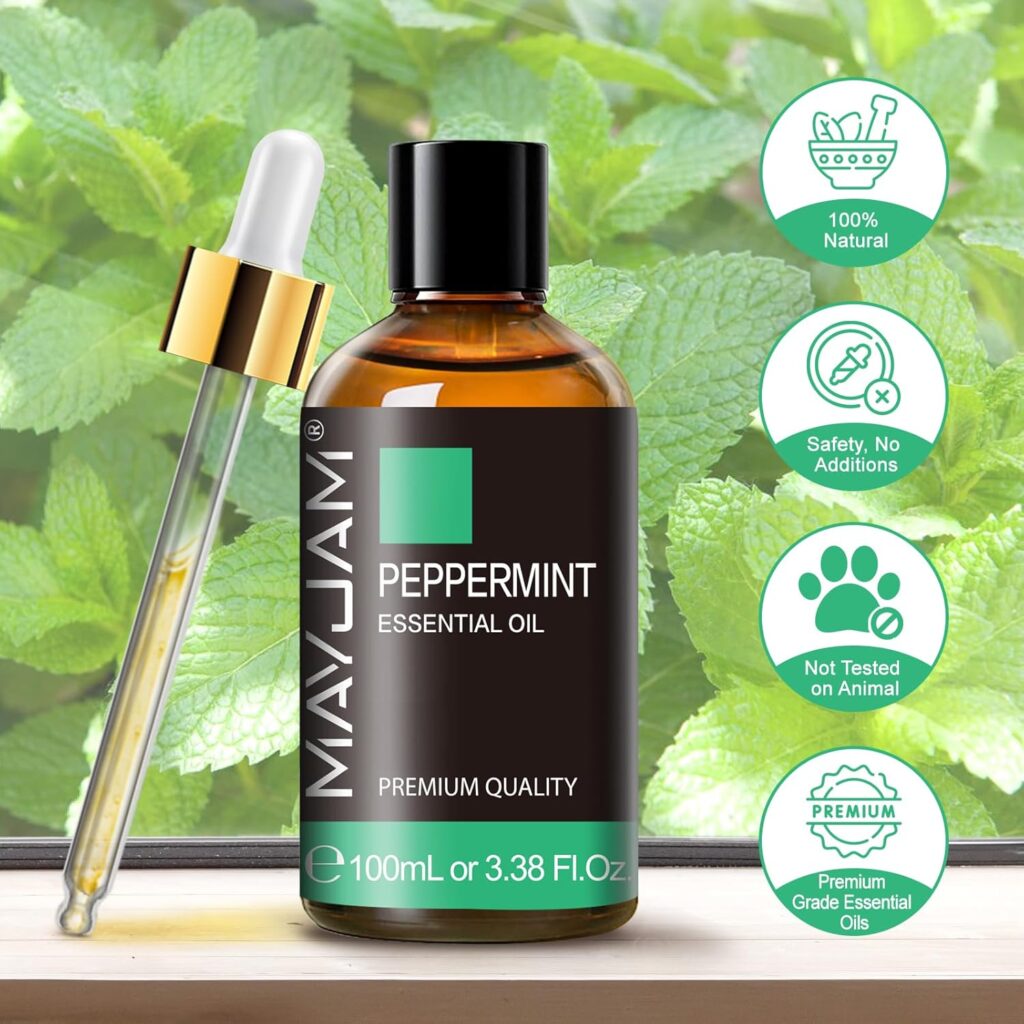
Peppermint oil is an essential oil extracted from the leaves of Mentha piperita, the peppermint plant. What makes it feel so different from, say, coconut or argan oil is one specific compound: menthol. Menthol is what gives peppermint its sharp, cooling smell and that tingly sensation on your skin. It works by activating a cold-sensing receptor in your skin called TRPM8 — the same receptor that makes menthol cough drops feel “cool” even though nothing is actually getting colder.
That tingle is a big part of why peppermint oil blew up on social media. It’s instantly noticeable. You apply it, your scalp starts tingling within seconds, and it feels like something powerful is happening. That sensory feedback is satisfying in a way that a plain, odorless serum just isn’t—and that’s exactly the kind of thing that performs well on Pinterest and TikTok, where a visible or felt “before you can even see results” reaction keeps people hooked and sharing.
But here’s the honest starting point: a tingling sensation is not the same thing as proof of hair regrowth. It just means the menthol is doing what menthol does — stimulating nerve endings and increasing blood flow to the surface of the skin. Whether that translates into actual new hair is a separate question, and that’s what the rest of this article is about.
The Science Behind Peppermint Oil and Hair Growth
How Menthol Affects Scalp Blood Circulation
The theory behind peppermint oil for hair loss goes like this: hair follicles need a steady supply of oxygen and nutrients from blood flow to stay in their active growth phase (called anagen). Menthol dilates blood vessels near the skin’s surface, which increases circulation to the area it’s applied to. More circulation, in theory, means follicles get better nourishment, which could support healthier, more active hair growth.
This isn’t a wild claim—increased localized blood flow from menthol application has been observed in skin studies generally. The real question is whether that localized boost is significant enough, or sustained enough, to meaningfully change hair growth in humans. That’s where the evidence gets thinner.
What Studies Actually Show (Real Research, Not Hype)
The single most-cited study behind every “peppermint oil grows hair” claim is a 2014 Korean study published in the journal Toxicological Research, titled “Peppermint Oil Promotes Hair Growth without Toxic Signs” (Oh, Park & Kim, 2014). Here’s what it actually did:
- Researchers shaved the backs of mice and split them into four groups.
- Each group received a different daily topical treatment for four weeks: saline (a placebo), jojoba oil, 3% minoxidil, or 3% peppermint oil diluted in a carrier.
- Out of all four groups, the peppermint oil group showed the most hair growth—measured through visible regrowth, increased dermal thickness, more hair follicles, and deeper follicles. It also outperformed the minoxidil group on these specific measurements.
That result is genuinely interesting, and it’s the reason peppermint oil has a real scientific hook rather than being pure internet myth. But there are three important caveats that most viral posts conveniently skip:
- This was a mouse study, not a human one. Mouse skin and hair biology isn’t identical to human skin and hair biology, and results in animal models frequently don’t hold up the same way in people.
- The sample size was small — around 20 to 76 mice depending on the specific version of the protocol reported, which is not a large enough group to draw firm conclusions from.
- There is still no solid human clinical trial testing peppermint oil alone for hair loss. As of the most recent reviews on the topic, researchers note that no adequately designed human study has isolated peppermint oil as the single active ingredient and measured hair regrowth against a control group. The closest human research involved menthol combined with other actives like salicylic acid and a probiotic, meaning it’s impossible to know how much of any effect came from the menthol specifically.
So the honest, unhyped summary is peppermint oil has a promising animal study behind it and a plausible biological mechanism (increased circulation) but no confirmed human clinical evidence yet. That’s a very different statement than “peppermint oil regrows hair,” which is what most Pinterest captions imply.
Peppermint Oil vs. Minoxidil Comparison Table
| Factor | Peppermint Oil (3%) | Minoxidil (3–5%) |
|---|---|---|
| Evidence level | One mouse study (2014) | Multiple large human clinical trials |
| FDA-approved for hair loss | No | Yes |
| Mechanism | Increases surface blood flow via menthol | Widens blood vessels, extends growth phase (mechanism still partly unclear) |
| Human data | None isolating it alone | Extensive, decades of use |
| Side effects | Scalp irritation and allergic reaction in sensitive users | Scalp irritation, unwanted facial/body hair, initial shedding |
| Cost | Low | Low to moderate |
| Best positioned as | A scalp-care and comfort add-on | A clinically backed hair loss treatment |
The takeaway here isn’t that one is “better” than the other in some general sense; it’s that they’re not really in the same category. Minoxidil is a medically studied treatment. Peppermint oil is, at this point, a promising but unproven scalp-care ingredient.
Benefits of Peppermint Oil for Hair
Stimulates Scalp Circulation
This is the benefit with the most direct biological backing. The tingling sensation you feel is a real sign that blood vessels near the skin’s surface are responding to the menthol. For people with a naturally sluggish or under-stimulated scalp, this can feel refreshing and may support a healthier environment for hair follicles, even if it’s not a guaranteed regrowth mechanism.
May Help With Hair Thickness
Based on the 2014 mouse study, peppermint oil showed increases in dermal thickness and follicle depth — both of which are associated with thicker-looking hair. It’s worth repeating: this hasn’t been confirmed in humans yet, so “may help” is doing real work in that sentence. It’s a possibility supported by early research, not a guarantee.
Cooling & Soothing Effect for Itchy Scalp
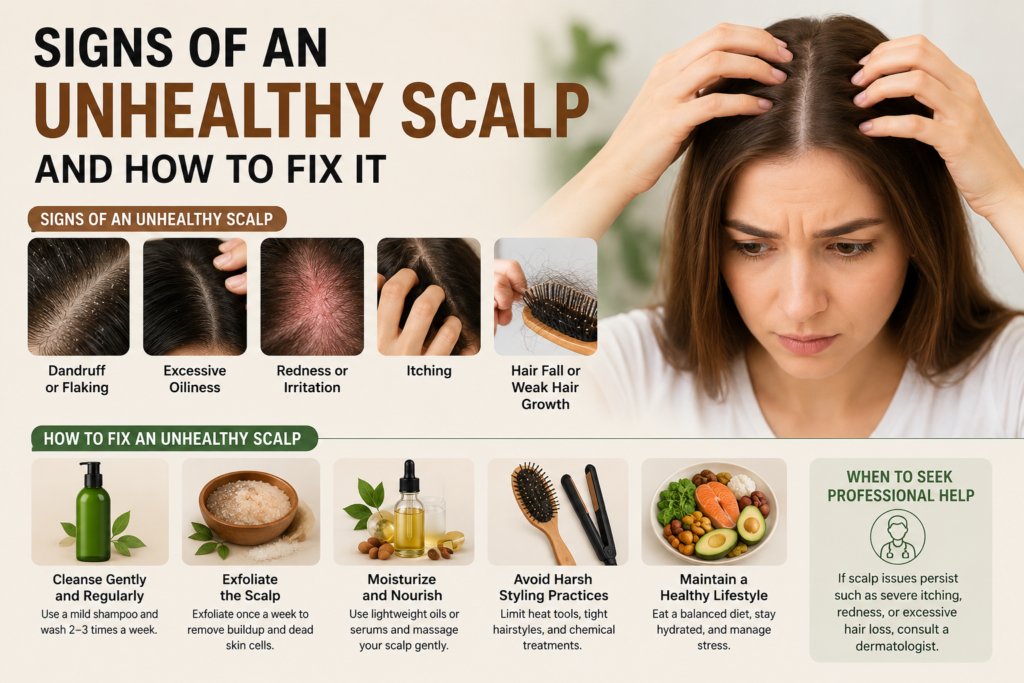
This is one of the more immediately noticeable and least controversial benefits. Peppermint oil’s cooling effect can genuinely help calm an itchy, irritated, or overheated scalp, which is common with dandruff, product buildup, or hot climates. A calmer scalp environment is generally a better one for hair health overall, even if it’s an indirect benefit rather than a direct growth stimulant.
Natural Alternative to Chemical Treatments
For people who specifically want to avoid pharmaceutical options like minoxidil — whether due to side effects, pregnancy, sensitivity, or personal preference — peppermint oil offers a plant-based option that’s gentler in formulation (when properly diluted) and doesn’t carry the same systemic side-effect profile. It’s not a replacement in terms of proven efficacy, but it fits a different niche: gentle scalp maintenance rather than aggressive treatment.
How to Use Peppermint Oil for Hair Growth Safely
Correct Dilution Ratio (Carrier Oil Mix—Very Important)
Peppermint essential oil should never be applied directly to the scalp undiluted. It’s a concentrated oil, and using it straight can cause burning, redness, and irritation. The dilution used in the 2014 study was around 3%, which is a reasonable benchmark for home use.
A safe general ratio is
- 3–5 drops of peppermint essential oil per 1 tablespoon of carrier oil (jojoba, coconut, argan, or castor oil all work).
If you have sensitive skin, start even more diluted — 1–2 drops per tablespoon — and adjust from there.
DIY Peppermint Hair Oil Recipe (Step-by-Step)
- Take 2 tablespoons of a carrier oil (jojoba or castor oil are popular choices for hair care).
- Add 6–8 drops of peppermint essential oil.
- Mix well in a small glass bottle or bowl.
- Section your dry or towel-dried hair and apply the mixture directly to your scalp using your fingertips or a dropper.
- Massage gently in circular motions for 3–5 minutes to help distribute the oil and stimulate circulation.
- Leave it on for 30–60 minutes, or overnight if your scalp tolerates it well.
- Wash out thoroughly with a gentle shampoo.
How Often to Apply It
Two to three times per week is a reasonable starting frequency. Daily use isn’t necessary and increases the chance of irritation, especially if your scalp is on the sensitive side. Give your scalp rest days in between applications.
Patch Test Before Full Use
Before applying any diluted peppermint oil mixture to your scalp, test it on a small patch of skin—behind your ear or on your inner forearm—and wait 24 hours. If you notice redness, burning, swelling, or itching beyond a mild tingle, don’t proceed with scalp application.
Best Peppermint Oil Hair Products (2026 Picks)
Rather than list specific Amazon listings here (prices, ratings, and availability shift constantly, and I don’t want to hand you outdated or incorrect links), here’s what to actually look for when picking a product so you can plug in your own verified, currently live Amazon Associates links:
- Pre-diluted peppermint hair oils or scalp serums from established haircare brands—these are already blended to a safe concentration, which removes the guesswork.
- Peppermint + rosemary blends, which have become popular since rosemary oil has slightly more encouraging human-adjacent research behind it (see the comparison section below).
- 100% pure peppermint essential oil from a reputable essential oil brand, if you prefer to make your own diluted blend at home.
- Always check the ingredient list for concentration or dilution info, and avoid products where peppermint oil is listed as one of the very first ingredients in a leave-on product—that usually signals a higher, less scalp-friendly concentration.
Realistic Results Timeline — What to Actually Expect
Week 1–4: What Happens
In these early weeks, you’re mostly going to notice sensory effects—a cooling, tingling scalp; possibly reduced itchiness; and a “”fresher”-feeling scalp overall. You are very unlikely to see any visible new hair growth in this window, and that’s completely normal. Hair follicles work on cycles measured in months, not days.
Month 2–3: Visible Changes (If Any)
If peppermint oil is going to do anything measurable for you, this is roughly the window where you might start to notice less shedding or slightly improved thickness in areas you’re focused on—assuming consistent use, correct dilution, and a scalp that’s otherwise healthy. Keep in mind this is based on the theoretical mechanism and animal data, not a guaranteed human outcome.
When to Stop Expecting Results From Oil Alone
If you’ve used a properly diluted peppermint oil consistently for 4–6 months with zero change in shedding, thickness, or scalp health, it’s reasonable to conclude that oil alone isn’t going to solve your specific hair concern. At that point, especially if you’re dealing with pattern hair loss, it’s worth talking to a dermatologist about clinically proven options like minoxidil, rather than continuing to rely on an unproven single ingredient indefinitely.
Who Should Avoid Peppermint Oil?
Sensitive Scalp / Skin Conditions
If you have eczema, psoriasis, or a history of contact dermatitis, peppermint oil’s menthol content can trigger flare-ups or worsen irritation. People with generally reactive or sensitive skin should approach it with extra caution and heavier dilution or skip it entirely.
Pregnancy & Nursing Warning
Some essential oils, including peppermint, are generally advised against during pregnancy and breastfeeding due to limited safety data and potential hormonal or systemic effects when absorbed through the skin in larger amounts. If you’re pregnant or nursing, check with your doctor before using peppermint oil on your scalp.
Signs of Irritation to Watch For
Stop use immediately if you notice the following:
- Persistent burning (beyond a brief initial tingle)
- Redness that doesn’t fade within an hour
- Swelling
- Itching that worsens rather than improves
- Small bumps or a rash where the oil was applied
Peppermint Oil vs Other Hair Growth Treatments
| Treatment | Human Clinical Evidence | Typical Use Case |
|---|---|---|
| Peppermint Oil | None isolating it alone; one mouse study | Scalp comfort, mild circulation support |
| Rosemary Oil | A 2015 human trial (Panahi et al.) found rosemary oil produced hair count increases comparable to 2% minoxidil over 6 months | Natural option with the most human-relevant support among essential oils |
| Minoxidil | Extensive, FDA-approved | Clinically proven treatment for pattern hair loss |
If you’re choosing between essential oils specifically, rosemary oil currently has the stronger human evidence behind it. Peppermint oil’s strongest data point is still an animal study, even though it remains a popular, low-risk addition to a scalp-care routine.
Final Verdict — Is Peppermint Oil Worth It?
Peppermint oil is not a proven hair growth treatment in the way minoxidil is. That needs to be said plainly, because a lot of what circulates online blurs that line. What it is: a low-cost, generally low-risk scalp-care ingredient with a genuinely interesting (if limited) animal study behind it, a plausible mechanism through increased circulation, and real, immediate benefits for scalp comfort and itchiness.
If your main goal is scalp health, a pleasant sensory ritual, and a natural addition to your hair-care routine—it’s a reasonable, low-stakes thing to try, as long as you dilute it properly and patch test first. If your main goal is reversing noticeable hair loss or pattern baldness, it shouldn’t be your primary strategy. Treat it as a supporting player alongside things that do have strong human evidence, like minoxidil, or pair it with rosemary oil, which has better human-relevant data.
Data first, test it yourself with realistic expectations, and don’t let a satisfying tingle convince you it’s doing more than it’s proven to do.
FAQs
Can peppermint oil regrow hair permanently? No. There’s no human clinical evidence that peppermint oil regrows hair, let alone permanently. The supportive research that exists is a single mouse study. It may support scalp health and circulation, but it shouldn’t be relied on as a standalone regrowth treatment.
How long before I see results? Sensory effects (tingling, cooling, reduced itchiness) show up immediately. Any potential impact on hair thickness or shedding, if it happens at all, would realistically take 2–3 months of consistent, correctly diluted use to become noticeable—and even then, results vary widely and aren’t guaranteed.
Can I mix peppermint oil with minoxidil? Some people do combine a diluted peppermint oil scalp massage with minoxidil use, applying them at different times of day rather than mixing them directly. There’s no strong research confirming added benefit from combining them, and layering products can increase the risk of scalp irritation. If you’re using minoxidil, check with a dermatologist before adding any essential oil into the same routine, and never mix them together in the same application.
This article is for informational purposes and isn’t a substitute for medical advice. If you’re dealing with significant hair loss, a dermatologist can help identify the underlying cause and recommend a treatment plan backed by clinical evidence.