How to Identify Your Hair Problem
Before buying another shampoo, oil, serum, or supplement, take a step back.
Ask yourself:
Is the problem coming from my scalp or my hair lengths?
A greasy scalp with dry ends needs a different approach from a completely dry scalp.
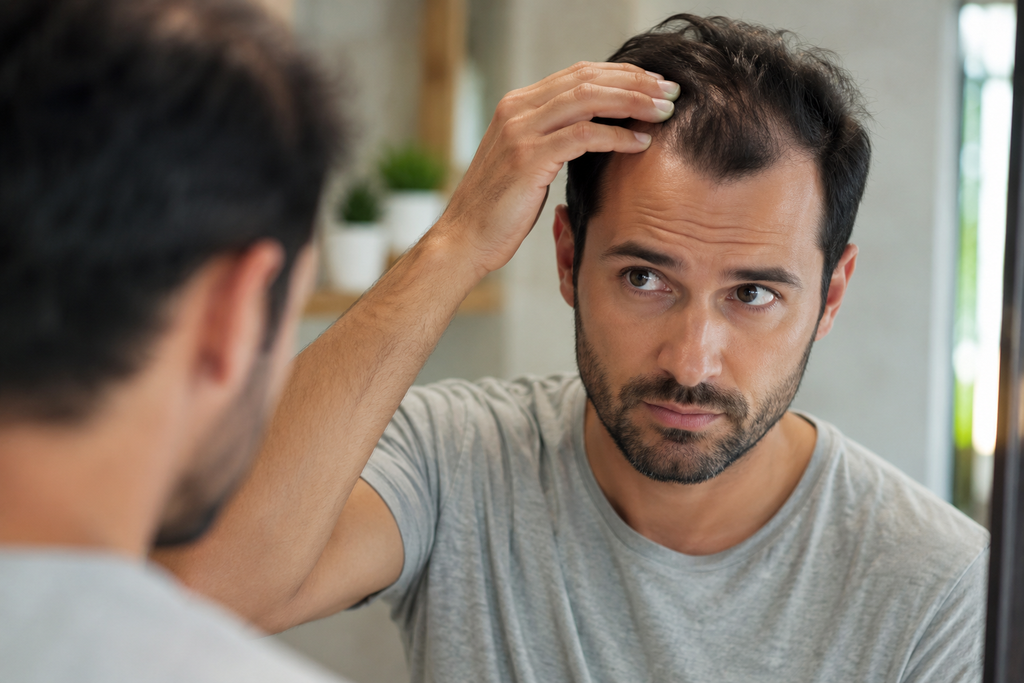
Am I experiencing hair shedding or hair breakage?
Hair that falls out from the root is different from hair that snaps along the length.
When did the problem start?
A gradual change over years may have a different cause from sudden changes that appeared within a few weeks.
Have I recently changed anything?
Think about stress, illness, diet, medication, hair products, coloring, bleaching, or styling habits.
These questions can help you understand what you’re actually dealing with instead of treating every hair concern as the same problem.
Building a Hair Care Routine Around Your Problem
There is no single perfect hair routine that works for everyone.
A good routine should match your scalp, hair type, lifestyle, and specific concerns.
For example, someone with an oily scalp may need more frequent washing, while someone with very dry or textured hair may prefer less frequent washing and more conditioning.
A basic routine often includes:
- Cleanse the scalp with a suitable shampoo.
- Condition the lengths to improve softness and manageability.
- Protect the hair from unnecessary heat and chemical damage.
- Handle wet hair gently to reduce breakage.
- Adjust your routine based on how your hair and scalp respond.
Don’t feel pressured to use ten different products. More products don’t automatically mean healthier hair.
Consistency and choosing the right products for your specific needs usually matter more.
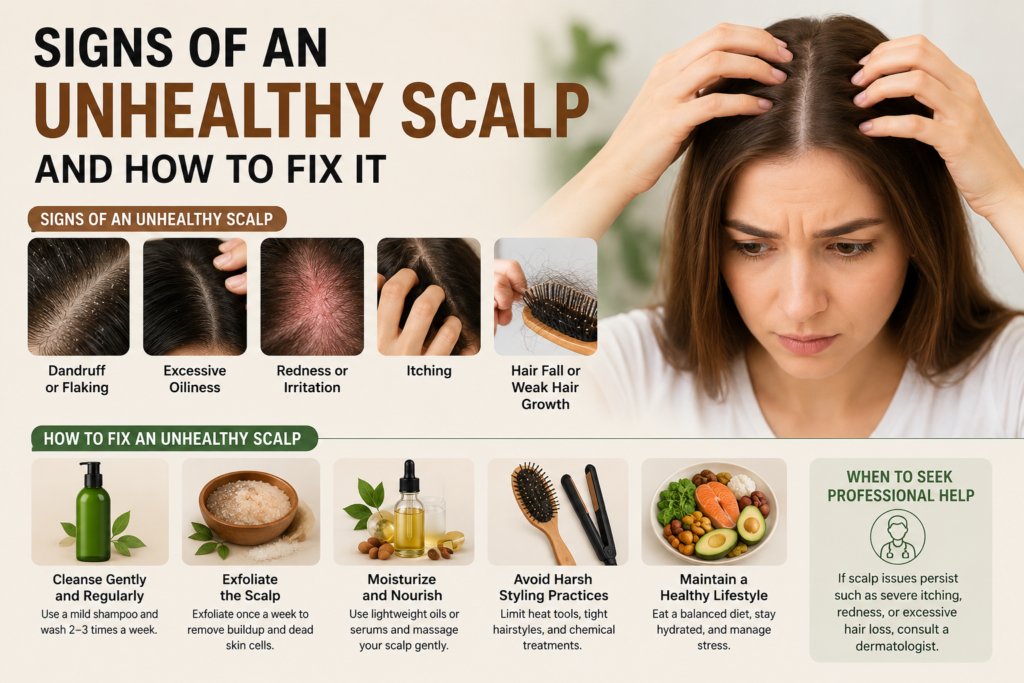
When Should You See a Dermatologist?
Most everyday hair problems can be managed with better hair care habits, but some symptoms deserve professional attention.
Consider seeing a dermatologist if you experience:
- Sudden or severe hair loss
- Bald patches
- Rapidly worsening thinning
- Persistent scalp itching or inflammation
- Painful or bleeding areas on the scalp
- Signs of infection
- Hair loss accompanied by other unexplained symptoms
- A hair problem that doesn’t improve despite appropriate care
A dermatologist can examine your scalp, evaluate your symptoms, and determine whether further testing or treatment is necessary.
The key is not to panic—but also not to ignore persistent changes.
Final Thoughts
Hair problems are common, but that doesn’t mean you have to live with them without understanding what’s happening.
The most important step is identifying the actual problem before choosing a solution. Hair fall, dandruff, dryness, frizz, oily hair, thinning, and breakage can look similar at first, but they often have very different causes.
Build your routine around your own hair and scalp rather than following every trend you see online.
Start with the basics: keep your scalp clean, protect your hair from unnecessary damage, eat a balanced diet, and pay attention to changes over time.
And when a problem is persistent, sudden, or getting worse, don’t rely on internet advice alone. Getting the right diagnosis can save you months of trying products that were never designed to address the real issue.