Finding extra strands on your pillow, in the shower drain, or tangled in your hairbrush can be alarming. The truth is, everyone sheds hair daily — losing 50 to 100 strands a day is considered normal. But if you’re noticing thinning patches, a receding hairline, or noticeably more hair than usual, it’s worth understanding what’s actually going on.
Here are the 10 most common reasons men experience hair fall — and what you can do about each one.
1. Genetics (Male Pattern Baldness)
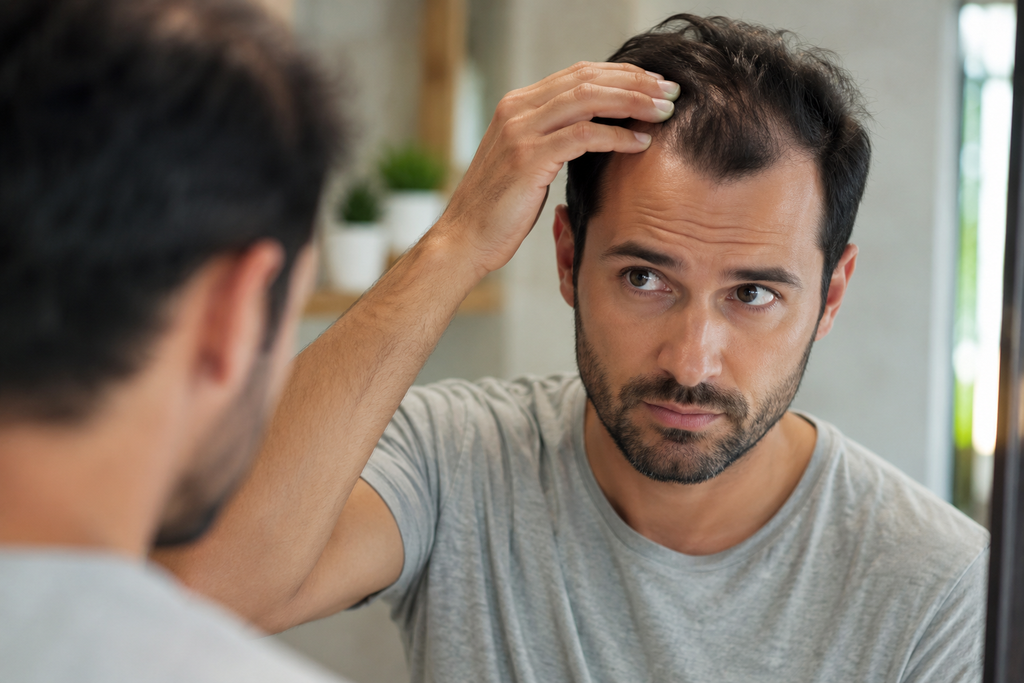
The single biggest cause of hair loss in men is androgenetic alopecia, more commonly known as male pattern baldness. It’s hereditary, meaning if your father or grandfather experienced hair thinning, you’re more likely to as well. This type of hair loss typically follows a pattern — starting at the temples or crown — and tends to progress gradually over years.
What helps: Early intervention matters most here. Topical treatments like Minoxidil are widely used to slow progression and support regrowth in early stages.
2. DHT (Dihydrotestosterone) Sensitivity
DHT is a hormone derived from testosterone that can shrink hair follicles over time in people who are genetically sensitive to it. This process, called follicular miniaturization, causes hair to grow back thinner and weaker until it eventually stops growing altogether.
What helps: Some men use DHT-blocking shampoos or consult a doctor about prescription options. This is a hormonal process, so results vary person to person.
3. Chronic Stress
High stress levels can push hair follicles into a resting phase prematurely, a condition called telogen effluvium. Unlike pattern baldness, stress-related shedding is usually temporary and reversible once the underlying stress is managed — though it can take a few months to see improvement.
What helps: Stress management, sleep, and exercise can support hair recovery once the trigger is addressed.
4. Poor Diet and Nutrient Deficiencies
Hair needs protein, iron, zinc, and vitamins (especially biotin and Vitamin D) to grow properly. A diet lacking these nutrients can lead to weaker hair and increased shedding.
What helps: A balanced diet rich in protein and leafy greens. Supplements can help but should ideally be based on an actual deficiency, not guesswork.
5. Overstyling and Heat Damage
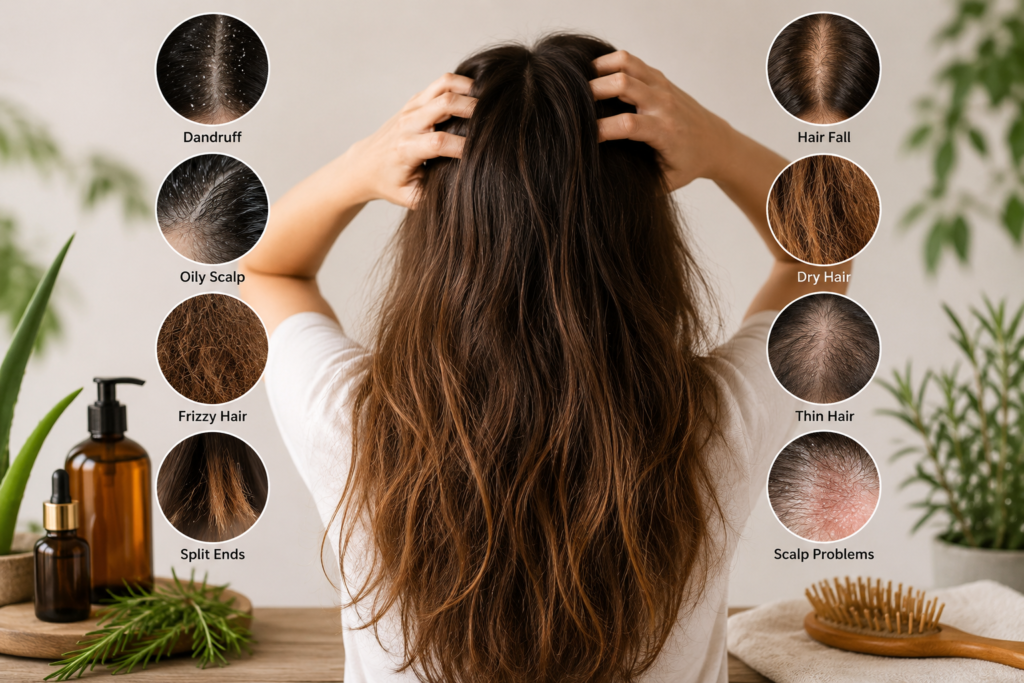
Frequent use of heat tools, tight hairstyles, and harsh chemical treatments can weaken hair shafts and damage follicles over time — a condition known as traction alopecia when caused by pulling.
What helps: Reducing heat styling frequency and using heat protectant products.
6. Underlying Medical Conditions
Conditions like thyroid disorders, alopecia areata (an autoimmune condition), and scalp infections can all cause noticeable hair loss. This type of hair fall often comes with other symptoms like fatigue, weight changes, or visible scalp patches.
What helps: If hair loss is sudden, patchy, or accompanied by other symptoms, seeing a dermatologist or doctor is important to rule out medical causes.
7. Medications and Treatments
Certain medications — including some used for blood pressure, depression, and chemotherapy — list hair loss as a side effect. This is usually temporary and reverses once the medication is stopped or adjusted.
What helps: Never stop a prescribed medication without consulting your doctor first; discuss alternatives if hair loss is a concern.
8. Aging
As men age, hair growth cycles naturally slow down, and hair can become thinner and grayer. This is a normal part of aging, separate from pattern baldness, though the two often overlap.
What helps: Maintaining scalp health through gentle care and good nutrition supports whatever hair density remains.
9. Poor Scalp Health
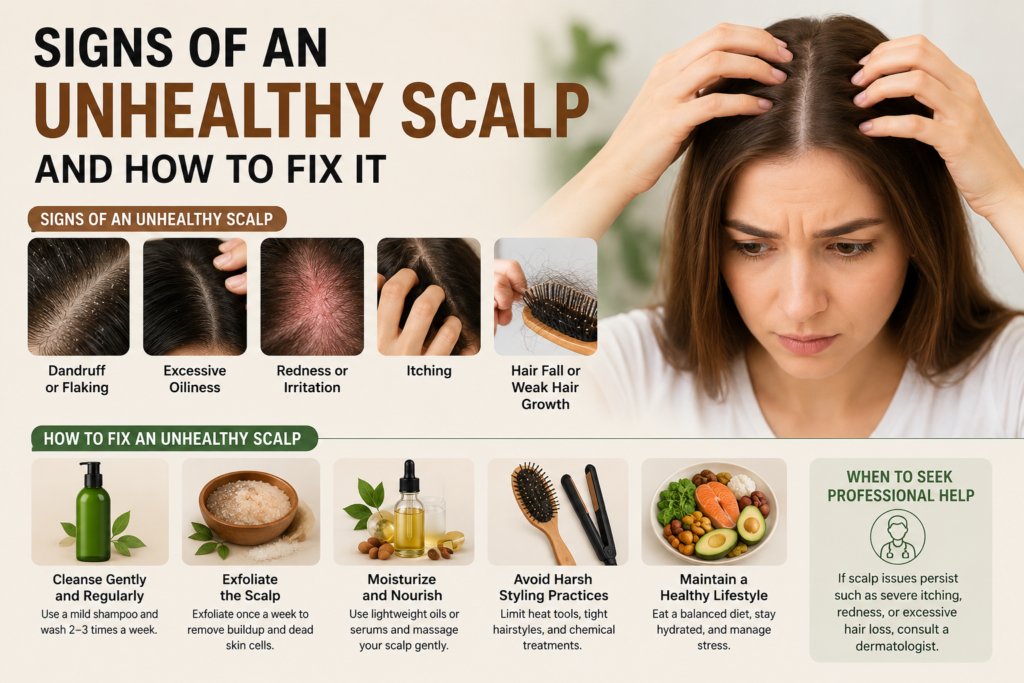
A clogged, oily, or inflamed scalp can interfere with healthy hair growth. Conditions like dandruff or seborrheic dermatitis, if left untreated, may contribute to weaker hair over time.
What helps: Regular, gentle cleansing and treating any underlying scalp condition with appropriate products.
10. Smoking and Lifestyle Factors
Smoking has been linked to reduced blood flow to hair follicles, which can affect hair health and growth over time. Poor sleep and excessive alcohol use are also associated with weaker hair in some studies.
What helps: Lifestyle changes here benefit overall health, not just hair.
So, What Should You Actually Do?
Hair fall has multiple possible causes, and they often overlap. The first step is identifying the pattern:
- Gradual thinning at temples/crown → likely genetic (pattern baldness)
- Sudden, all-over shedding → likely stress, diet, or medication related
- Patchy bald spots → could be medical — see a dermatologist
- Hair breakage, not falling from the root → likely styling/damage related
If you’re dealing with early-stage thinning, products like Minoxidil are among the most researched options available, with consistent use over 3-6 months typically needed to see results. Patience and consistency matter more than any single product.
Disclaimer: This article is for general informational purposes and isn’t a substitute for professional medical advice. If you’re experiencing sudden or severe hair loss, consult a dermatologist.