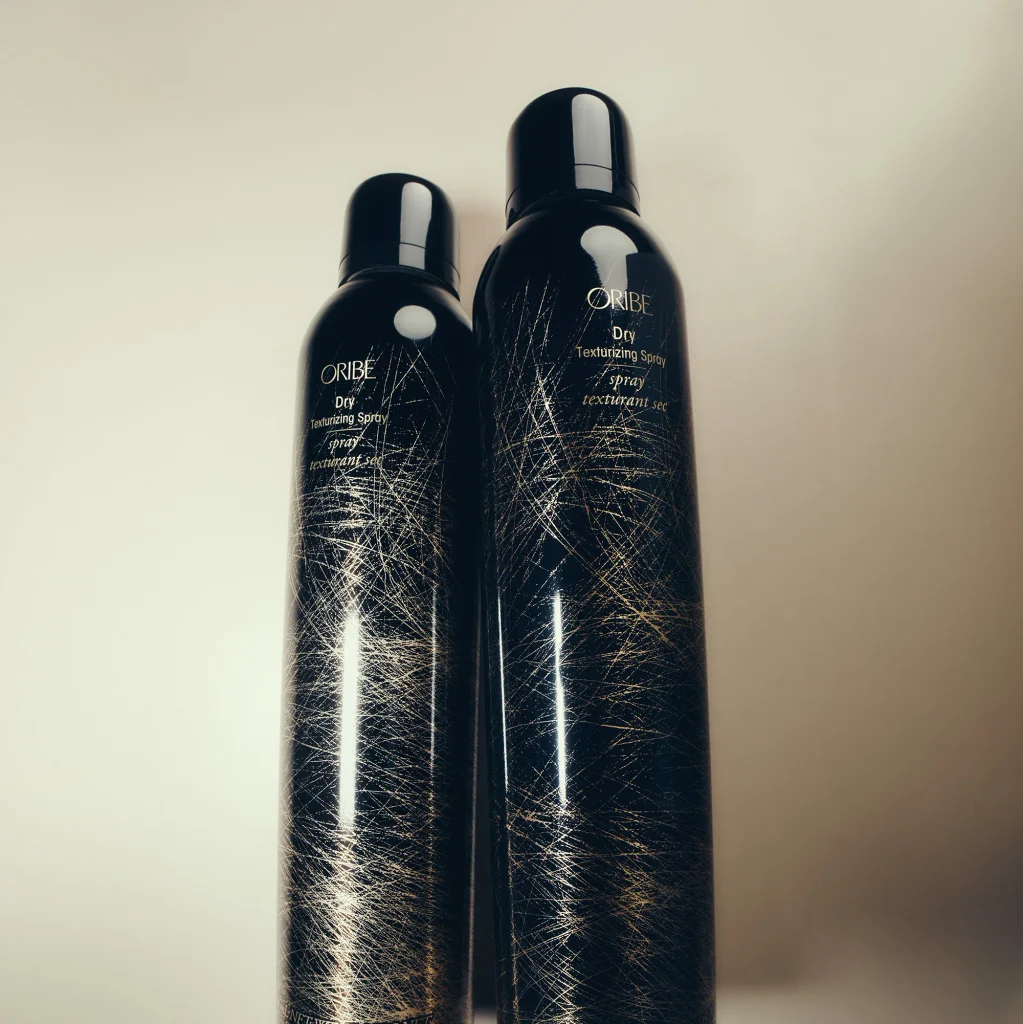
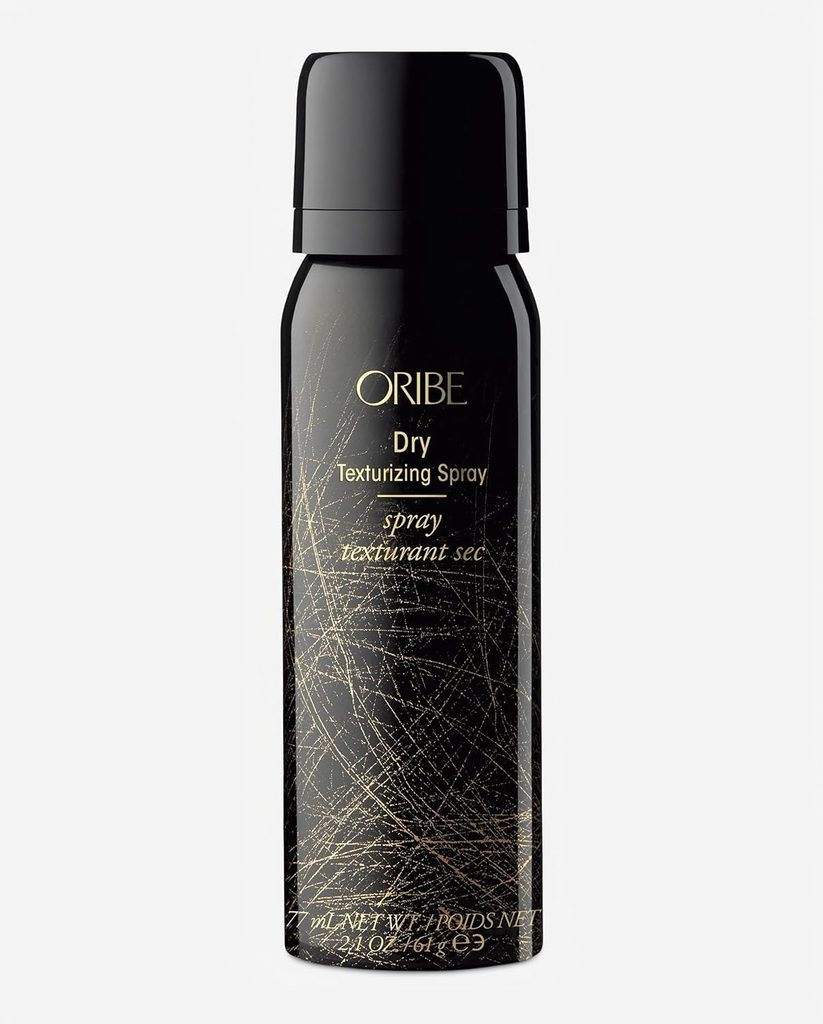
If you have ever stood in front of a shelf full of hair products and wondered whether you need a dry texturizing spray or hairspray, you are not alone. Both products are used when styling hair, but they are made for different purposes.
A dry texturizing spray is mainly used to add texture, volume, and a little grip to the hair. It can make flat hair look fuller and give waves or curls a more natural, undone appearance. Hairspray, on the other hand, is mainly designed to hold a hairstyle in place and help it last longer.
The difference becomes especially important when you are trying to create a specific hairstyle. If you want soft volume and a messy, natural finish, a dry texturizing spray may be the better choice. If you have spent time styling your hair and simply want everything to stay in place, hairspray usually makes more sense.
So, which one should you use? It depends on what you want your hair to look and feel like.
Dry Texturizing Spray vs Hairspray: Quick Comparison
The easiest way to understand the difference is to look at what each product is designed to do.
| Feature | Dry Texturizing Spray | Hairspray |
|---|---|---|
| Main purpose | Adds texture and volume | Holds the hairstyle |
| Volume | Excellent for adding body | Can provide some lift |
| Texture | Strong | Limited |
| Hold | Light to medium | Medium to strong |
| Finish | Usually natural or slightly matte | Can be natural, shiny, or firm |
| Hair feel | More touchable and flexible | Can feel stiff depending on the formula |
| Best for | Waves, messy styles, volume | Curls, formal styles, and long-lasting hold |
In simple terms, dry texturizing spray helps you build the hairstyle, while hairspray helps keep the hairstyle in place.
What Is a Dry Texturizing Spray?
A dry texturizing spray is a lightweight styling product that gives hair more texture and body without making it look heavily styled. It is often used on dry hair and is especially popular for creating loose waves, messy hairstyles, and fuller-looking hair.
One of its biggest advantages is the extra grip it gives the hair. This can be useful when your hair is very smooth or fine and hairstyles tend to fall apart quickly. The added texture gives the hair something to hold onto, making it easier to create volume and separation.
For example, if you curl your hair and the curls look too smooth or polished, a few sprays of a dry texturizing spray can make them look softer and more natural. It can also help add some lift around the roots when your hair looks flat.
Unlike traditional hairspray, the goal is usually not to make the hairstyle feel locked in place. Instead, the hair can still move and feel relatively natural.
What Does Dry Texturizing Spray Do?
Depending on the product, a dry texturizing spray can help:
- Add volume to flat hair
- Create a more textured look
- Give hair extra grip
- Make waves and curls look fuller
- Add separation between strands
- Create a messy or beachy hairstyle
- Give fine hair more body
This makes it particularly useful when you want your hair to look fuller without looking overly stiff or sprayed.
What Is Hairspray?
Hairspray has a different job. It is primarily a finishing product designed to keep your hairstyle in place after you have finished styling it.
You can use hairspray after curling, straightening, or creating an updo to help the style last longer. Different hairsprays provide different levels of hold, from flexible formulas that allow the hair to move to strong-hold formulas designed to keep more complicated hairstyles in place.
For example, if you curl your hair for a wedding or another long event, hairspray can help prevent the curls from losing their shape too quickly. It can also be useful for controlling flyaways and keeping individual hairs from sticking out.
The main thing to remember is that hairspray is about hold and control, while dry texturizing spray is more about texture, volume, and styling.
Can You Use Dry Texturizing Spray and Hairspray Together?
Yes, you can use dry texturizing spray and hairspray together. In fact, using both can work really well when you want volume and texture as well as long-lasting hold.
The key is to use them for different jobs instead of applying too much of both.
Start with your hairstyle first. Once your hair is dry and styled, apply a small amount of dry texturizing spray where you want more volume or texture. You can spray it through the mid-lengths and ends or lightly around the roots, depending on the look you want.
After you have created the texture and volume, finish with hairspray. A light layer of hairspray can help keep the hairstyle in place without completely taking away the natural movement of the hair.
For example, if you are creating loose curls, the dry texturizing spray can make the curls look fuller and less polished, while the hairspray can help them stay in shape for longer.
The Best Way to Use Both
A simple routine is
1. Style your hair first
Curl, wave, straighten, or shape your hair as usual.
2. Add dry texturizing spray
Use a small amount to add texture, volume, and grip.
3. Work the product through your hair
Gently separate the hair with your fingers to create the finish you want.
4. Finish with hairspray
Use a light mist of hairspray to help hold everything in place.
You do not necessarily need both products every time. If your hair already has enough volume and texture, hairspray alone may be enough. Likewise, if you want a relaxed, natural hairstyle that does not need strong hold, dry texturizing spray may be all you need.
Don’t Overdo It
The biggest mistake is using too much product. Applying several layers of texturizing spray and hairspray can leave the hair feeling heavy, sticky, dry, or stiff.
Start with a small amount and add more only if you actually need it. This is especially important if you have fine or easily weighed-down hair.
The simple rule: use dry texturizing spray to create the look, and use hairspray to help keep the look in place.
Dry Texturizing Spray vs Hairspray: Which One Should You Buy?
Choosing between a dry texturizing spray and hairspray really comes down to what you want your hair to do.
If your hair looks flat, thin, or too smooth, and you want more body and texture, a dry texturizing spray is probably the better choice. It can give the hair more grip and make waves, curls, and messy styles look fuller without making them feel heavily set.
If your main problem is that your hairstyle doesn’t stay in place, hairspray is the better option. It is made to provide hold and can help keep curls, waves, updos, and other styles looking good for longer.
Choose Dry Texturizing Spray If You Want:
- More volume and body
- A textured or messy look
- Fuller-looking waves and curls
- Extra grip for styling
- A softer, more natural finish
- Hair that can still move naturally
Choose Hairspray If You Want:
- Stronger hold
- Longer-lasting hairstyles
- Curls that stay in place
- Better control of flyaways
- A finished, polished hairstyle
- Extra support for special occasions
What If You Want Both?
You don’t necessarily have to choose just one.
For some hairstyles, using both products makes sense. A dry texturizing spray can create volume and texture first, while hairspray can be used afterward to provide additional hold.
For everyday, relaxed hairstyles, you may find that a texturizing spray is enough. For weddings, parties, long days, or hairstyles that need to stay in place for hours, adding hairspray can be useful.
The Bottom Line
There isn’t one product that is better for everyone.
Choose a dry texturizing spray if your priority is texture and volume. Choose hairspray if your priority is hold and control.
If you want both a natural-looking style and lasting hold, you can use the two together; just start with a small amount of each to avoid making your hair feel heavy or stiff.
Frequently Asked Questions
Is dry texturizing spray the same as hairspray?
No. Dry texturizing spray and hairspray have different purposes. A dry texturizing spray is mainly used to add volume, texture, and grip, while hairspray is designed to hold a hairstyle in place. Texturizing spray usually gives a softer, more natural finish, while hairspray can provide a much stronger hold.
Can texturizing spray replace hairspray?
Sometimes, but not always. If you only need a little texture and light hold, a dry texturizing spray may be enough. However, if you need your hairstyle to stay firmly in place for several hours, hairspray will usually do a better job.
Does dry texturizing spray hold hair?
Yes, but usually not in the same way as hairspray. Texturizing spray gives the hair grip and light hold, which can help waves, curls, and textured styles stay in shape. It is not normally designed for the strong, firm hold you get from a strong-hold hairspray.
Is texturizing spray good for fine hair?
It can be very useful for fine or flat hair. A dry texturizing spray can add body, texture, and grip, making the hair appear fuller. Start with a small amount, though, because using too much product can make fine hair feel heavy or coated.
Can I use hairspray after texturizing spray?
Yes. Using them together can actually work well. Apply the dry texturizing spray first to create volume and texture, then use a light mist of hairspray to help hold the finished hairstyle. Avoid applying too much of either product.
Which is better for volume, texturizing spray or hairspray?
A dry texturizing spray is generally the better choice for creating volume. It can add body and texture, especially to flat or fine hair. Hairspray can help maintain the volume after styling, but its main purpose is hold rather than creating texture.
Which is better for curls?
It depends on the result you want. A dry texturizing spray is great for making curls look fuller, softer, and more textured, while hairspray is better when you want the curls to stay in place for longer. For some hairstyles, you can use both.
Does dry texturizing spray damage hair?
Using a dry texturizing spray occasionally and as directed is generally not a problem for most people. However, excessive use can leave buildup and may make the hair feel dry or rough, depending on the formula. Avoid constantly layering the product and wash your hair regularly to remove buildup. If your scalp or hair reacts badly to a particular product, stop using it.