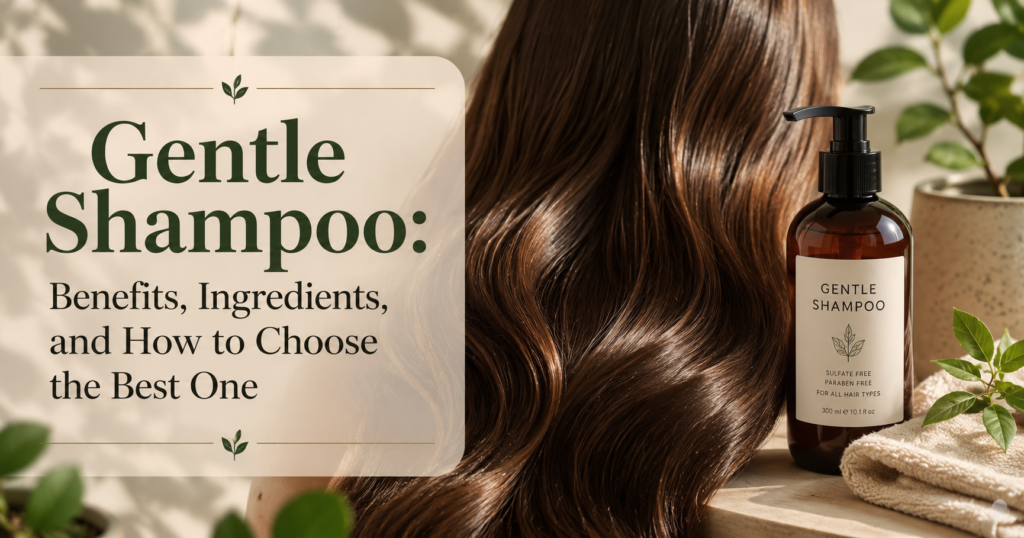
Short answer: Healthy hair comes from a system—consistent care, good nutrition, and scalp attention—rather than any single product. Hair grows about 1–1.25 cm per month, so expect measurable results from a routine only after 3–6 months. This guide covers the basics, realistic growth tips, and a simple weekly routine.
Healthy hair starts at the roots—literally. Whether your hair is straight, curly, thick, fine, natural, relaxed, colored, or thinning, a few consistent habits and the right knowledge can make a dramatic difference. This guide breaks down what your hair actually needs, how to care for your scalp, realistic growth expectations, and a simple 7-step routine you can follow every week.
Why hair health matters
Beyond aesthetics, hair quality reflects your overall health and lifestyle. A shiny, resilient mane usually means good nutrition, balanced hormones, and a healthy scalp. Conversely, dry, brittle, or slow-growing hair can point to nutrient gaps, over-styling, or scalp issues. The good news: most of it is fixable with the right routine.
Hair basics: structure and growth
- Hair shaft vs. follicle: The visible strand is the shaft; growth and health are controlled by the follicle, not the shaft itself.
- Growth cycle: Hair grows in phases—anagen (growth), catagen (transition), and telogen (rest). Most scalp hairs are in anagen, which lasts months to years depending on genetics.
- Growth rate: Average is about 1–1.25 cm (0.4–0.5 inches) per month. Expect changes from diet, stress, hormones, and care habits—not overnight miracles.
Know Your Hair Type
Hair type is mostly about your curl pattern, and it shapes how much moisture your hair needs and how easily it tangles. Knowing your pattern helps you choose products and routines that suit it, rather than fighting it.
- Straight: Hair lies flat, is often shiny, and can become oily quickly. Lightweight products usually work best.
- Wavy: A loose S-shape that needs lightweight moisture. Too much product can weigh it down and flatten the wave.
- Curly: Defined curls that need extra hydration. Creams and leave-in conditioners help reduce frizz and keep curls defined.
- Coily: Tight curls or coils that are the driest and most fragile. Rich moisturizers and protective styling help reduce breakage.
Hair type is only one factor. Oiliness and damage matter just as much: oily hair usually needs more frequent washing with a lightweight conditioner on the ends only, while damaged hair benefits from a weekly mask, less heat, and regular trims.
Scalp health: the foundation
A healthy scalp equals healthy hair. Common scalp problems include dryness, dandruff, seborrheic dermatitis, and inflammation. Keep these points in mind:
- Clean, not stripped: Overwashing can remove natural oils and disrupt the scalp barrier; underwashing can lead to buildup and itch.
- pH balance: Scalp and hair thrive when products are close to natural pH (slightly acidic). Harsh alkaline products can roughen cuticles and cause breakage.
- Oil vs. sebum: Natural oils protect and hydrate. If your scalp overproduces oil, look for gentle cleansers and avoid heavy oils on roots.
- Look for signs: Persistent flaking, redness, pain, or sudden shedding needs professional evaluation.
Nutrition and lifestyle: the invisible drivers
- Protein: Hair is mostly keratin (a protein). Ensure adequate protein from eggs, fish, lean meats, legumes, or dairy.
- Iron and zinc: Low iron is a common cause of hair thinning, especially in women. Zinc supports healthy follicle function.
- Vitamins: Biotin, vitamin D, and B-vitamins are often linked to hair quality. A balanced diet usually provides them; check with a clinician before megadosing.
- Healthy fats: Omega-3s and monounsaturated fats help scalp health and shine.
- Sleep and stress: Cortisol and poor sleep worsen hair shedding. Prioritize rest and stress management.
- Hydration: Water supports cellular function throughout hair growth cycles.
Gentle daily care: what to do (and avoid)
Do:
- Use sulfate-free, pH-balanced shampoos if you have dry or treated hair.
- Condition every wash—focus on mid-lengths to ends.
- Detangle wet hair with a wide-tooth comb, starting at ends.
- Trim regularly every 8–12 weeks to remove split ends and preserve length.
- Protect from heat: use a heat protectant and lower temperature settings.
Avoid:
- Excessive heat styling (daily flat-ironing or high-heat wands).
- Tight hairstyles that pull at the hairline (traction alopecia).
- Mixing many strong chemical processes without professional guidance (bleaching + perming = high risk of damage).
- Over-reliance on heavy oils at roots—these can clog follicles and attract buildup.
Common Hair Care Mistakes
Most hair damage comes from habits that feel harmless. These are the mistakes worth avoiding:
- Washing with very hot water, which can dry out the hair and scalp. Use lukewarm water instead.
- Rubbing wet hair with a rough towel, which causes breakage and frizz. Pat hair dry, ideally with a microfiber towel.
- Using too much shampoo, which strips natural oils. A coin-sized amount is usually enough for most people.
- Putting conditioner on the scalp. Conditioner belongs on the mid-lengths and ends; on the scalp it can cause buildup.
- Sleeping on cotton pillowcases, which soak up moisture and cause friction while you sleep. Silk or satin pillowcases reduce friction and dryness.
- Trying too many new products at once. When several products change together, you cannot tell which one helps—or which one causes a problem.
Targeted strategies for different hair types
- Fine, straight hair: Use lightweight, volumizing products; avoid heavy oils and conditioners at the roots.
- Thick/coarse hair: Rich creams and oils help with moisture and manageability. Deep condition weekly.
- Curly/kinky hair: Emphasize hydration and slip—creams, leave-in conditioners, and co-washes can help.
- Colored or chemically treated hair: Use products formulated for color-treated hair, limit washing, and protect from UV and chlorine.
Hair growth tips that actually help
- Be patient: Expect measurable results in 3–6 months for most interventions.
- Scalp massage: 4–5 minutes daily increases blood flow and can help follicle health—use fingertips, not nails.
- Minoxidil and medical options: Discuss with a dermatologist if hair loss persists; Minoxidil (a topical vasodilator) is well-studied for many people, but not a universal cure.
- Avoid quick-fix “stimulating” products that make empty promises; prioritize evidence-backed ingredients and routines.
- Regular trims with proper cutting techniques reduce breakage and make hair appear healthier and longer over time.
A simple 7-step weekly routine (for all hair types)
- Shampoo mindfully: Cleanse scalp with a gentle shampoo (frequency depends on oiliness; 2–3× weekly works for most).
- Condition properly: Apply conditioner from mid-lengths to ends; leave it in for 2–5 minutes, then rinse.
- Deep condition once weekly: Use a mask or deep conditioner for 10–30 minutes, with heat if needed.
- Scalp massage: 3–5 minutes during washing or with light oil once a week to stimulate circulation.
- Detangle carefully: Use a wide-tooth comb on damp hair with a leave-in detangler or conditioner.
- Protect from heat and UV: Apply heat protectant before styling and wear hats or UV-protectant sprays when outdoors.
- Night care: Sleep on a silk or satin pillowcase or use a silk scarf to reduce friction and breakage.
Morning Routine
A quick morning routine keeps hair healthy, manageable, and protected during the day.
- Detangle gently with a wide-tooth comb before styling.
- Apply a small amount of leave-in conditioner or a light serum if your hair feels dry.
- Apply a heat protectant before using any heat styling tool.
- Avoid tight hairstyles that pull at the hairline.
Night Routine
A short night routine protects hair while you sleep and makes mornings easier.
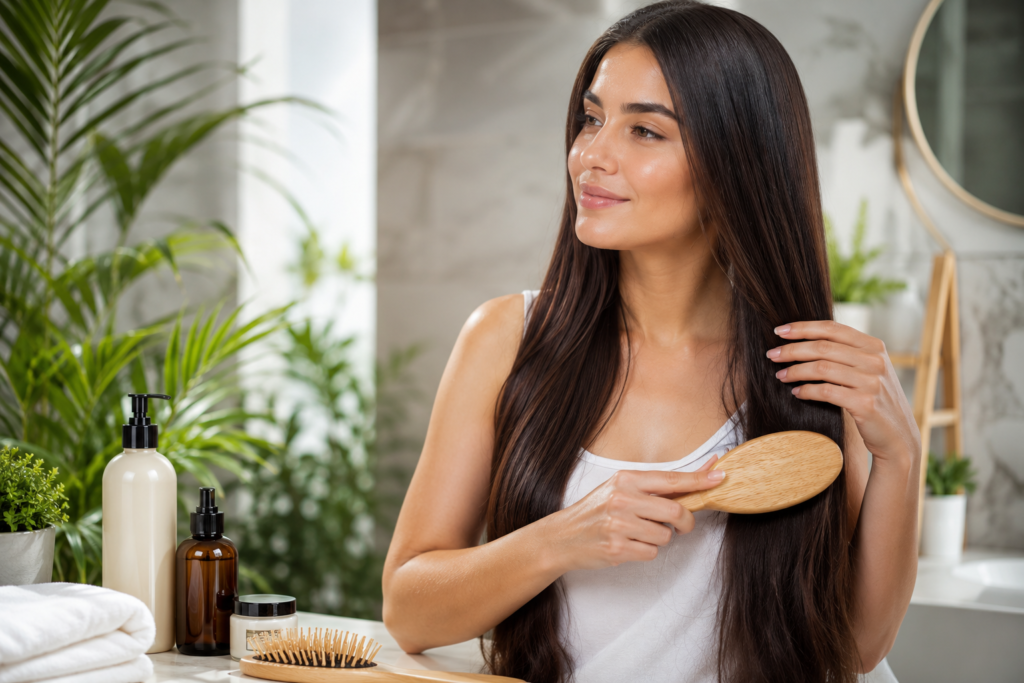
- Brush your hair gently before bed to remove tangles and distribute natural oils.
- Apply a little oil or serum on dry ends if they feel rough or dry.
- Use a silk or satin pillowcase to reduce friction and frizz.
- If you have long hair, tie it loosely so it does not knot while you sleep.
A Routine for Men: What’s Different
The basics are the same for men, but a few things matter more because men’s hair is usually shorter and grooming is often simpler.
- Short hair is not no-maintenance hair: shampoo, conditioner, and a light leave-in or oil are still worth using.
- Get regular haircuts every 4–8 weeks. A tidy cut helps hair look healthier and stops damage from working its way up.
- Use oil or a leave-in on the lengths: argan, coconut, and rosemary oils are useful for moisture and protection. A small amount is usually enough—heavy oil on the roots can attract buildup.
- Common mistakes men make: washing too often, using harsh shampoos, skipping conditioner, using too much styling product, and washing with very hot water can all cause dryness and breakage.
- Don’t ignore scalp health: itching, flaking, and irritation should be looked at early, before they become bigger problems.
DIY treatments (use occasionally)
- Avocado and olive oil mask: For intense moisture—use sparingly on ends, not roots, especially if you are prone to breakouts.
- Aloe vera gel: Soothing for irritated scalps; test a small area first.
- Egg protein mask: Good short-term protein boost for very damaged hair, but avoid if you have low porosity.
When to see a professional
- Sudden or patchy hair loss
- Scalp pain, severe itching, persistent redness, or oozing
- Hair loss accompanied by other systemic symptoms (fatigue, irregular periods, weight changes)
- If over-the-counter measures don’t help after 3–6 months
Quick product guidance
- Choose products matched to your hair’s primary need (moisture vs. protein vs. color protection).
- Ingredients to look for: gentle surfactants, humectants (glycerin and propanediol), fatty alcohols (cetyl/stearyl), ceramides, hyaluronic acid, and hydrolyzed proteins.
- Ingredients to use cautiously: high-concentration alcohols (can dry), unregulated “secret” growth blends, and products promising instant results.
Ingredients Worth Looking For
Beyond the gentle surfactants and humectants listed above, these ingredients can be useful when they match your hair’s needs:
- Keratin: Strengthens the hair shaft and helps repair damaged hair.
- Argan oil: Protects and softens hair and adds shine without weighing it down.
- Coconut oil: Helps reduce protein loss and adds moisture, especially for dry hair.
- Aloe vera: Soothes the scalp and adds moisture without heaviness.
- Niacinamide: A form of vitamin B3 that supports scalp and hair health.
- Rosemary oil: Used in scalp massage and hair care routines for general scalp support.
Common myths debunked
- “Trimming makes hair grow faster”: Trims don’t change follicle growth rates; they reduce breakage so hair looks and feels healthier.
- “Washing daily causes hair loss”: Washing removes loose hairs—actual increased shedding comes from internal factors or scalp problems, not the act of washing.
- “Brushing 100 strokes stimulates growth”: Over-brushing causes breakage; gentle detangling is enough.
Hair Care Myths
Two more claims worth a second look:
- “More shampoo means cleaner hair”: Using more product does not clean better. Extra shampoo usually means more stripping of natural oils, not cleaner hair.
- “Expensive products always work better”: Price is no guarantee. Judge a product by its ingredients and whether it suits your hair type.
Frequently Asked Questions
Short answers to the questions readers ask most often about building—and sticking to—a hair care routine.
How often should men wash their hair?
It depends on hair type. Two or three times a week is enough for dry hair, every other day suits normal hair, and daily washing is fine for very oily hair or after heavy sweating. Whatever the frequency, use lukewarm water rather than very hot water, which can dry out the scalp.
Which oil is best for men’s hair?
Argan oil, coconut oil, and rosemary oil are useful choices for moisture and protection. A small amount worked through the lengths is usually enough; heavy oil on the roots can attract buildup.
Can a good hair care routine reduce hair fall?
A consistent routine can reduce hair fall caused by breakage, by keeping hair stronger and the scalp healthier. It will not reverse hair loss caused by genetics or a medical condition. Sudden or patchy shedding should be checked by a dermatologist.
Should I oil my hair every day?
Not necessarily. A light oil or serum on dry ends a few times a week is usually enough. Daily oiling can leave buildup on the scalp, especially for oily hair types.
Final note
Healthy hair isn’t a single product or trick—it’s a system: consistent care, good nutrition, scalp attention, and realistic expectations. Start with the simple 7-step routine, keep one change at a time, track results for 8–12 weeks, and iterate based on what the data (and your hair) tell you.