Short answer: Caffeine vs ketoconazole shampoo is not a like-for-like fight — they do different jobs. Caffeine is studied for follicle stimulation in lab models and may help breakage-prone hair feel stronger, but shampoo evidence for regrowth is thin. Ketoconazole is an antifungal that treats dandruff and scalp inflammation, and in some studies it helped hair density as a side benefit, not as a primary growth drug. Pick caffeine for gentle daily support, ketoconazole if dandruff or itchy scalp is part of your problem — and see a clinician for pattern loss.
Research-based summary, not a doctor’s advice. Neither shampoo regrows pattern loss on its own. Ketoconazole can dry or irritate some scalps; stop and seek advice if irritation is strong.
What Caffeine Shampoo Does
Caffeine in lab follicle studies countered DHT/testosterone suppression and prolonged growth phase in organ culture. Human shampoo trials are small and short; a 0.2% caffeine solution (not shampoo) was not inferior to 5% minoxidil on a surrogate endpoint in 210 men, but that is not proof shampoo works the same. For the full evidence breakdown, see our caffeine shampoo evidence guide and this independent caffeine shampoo guide. Practical tip: leave it on 2-5 minutes. The UK ASA ruled Alpecin could not claim its caffeine shampoo reduced hair loss — a reminder to keep claims modest.
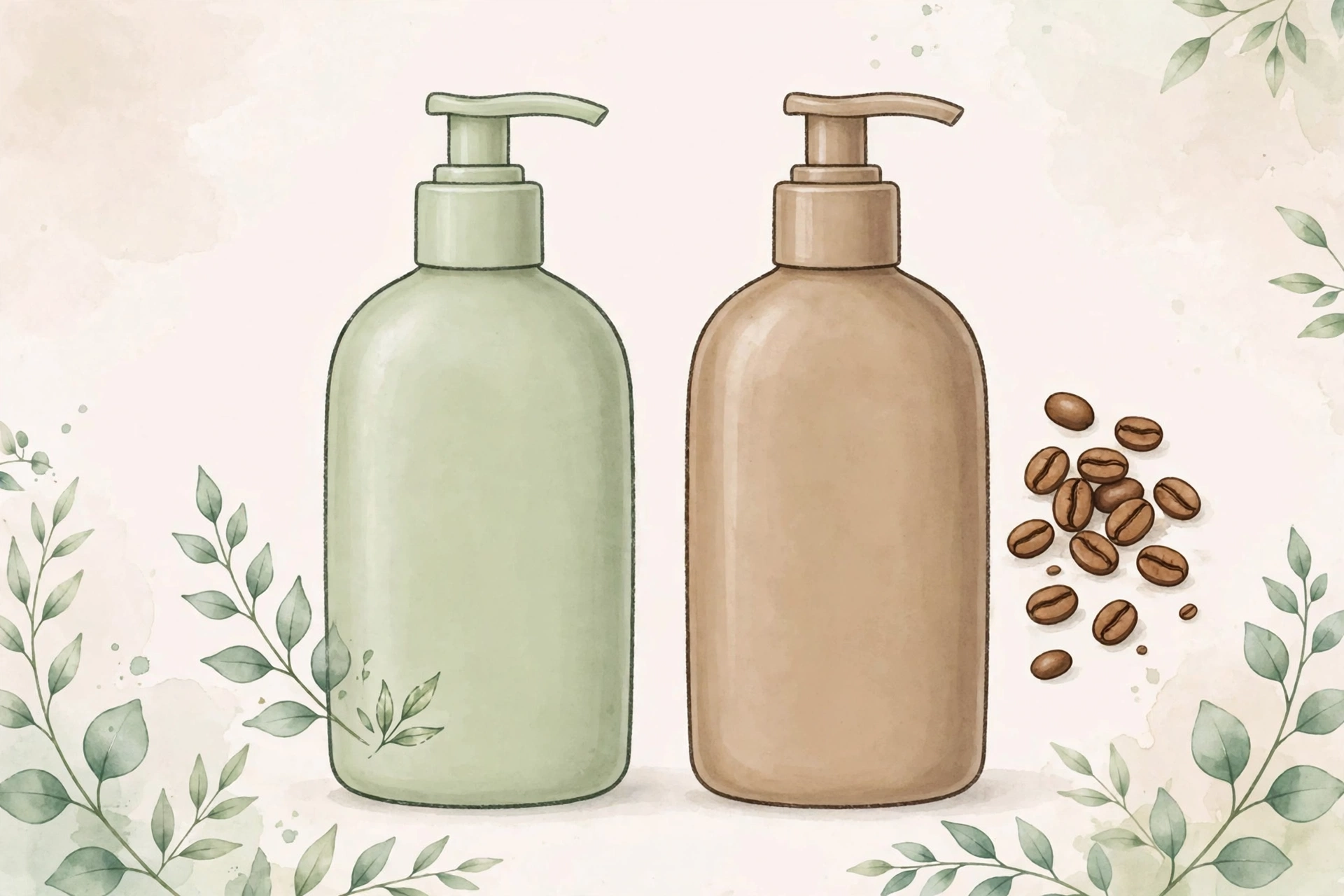
What Ketoconazole Shampoo Does
Ketoconazole 1-2% kills Malassezia yeast and calms scalp inflammation, which is why it is used for dandruff and seborrheic dermatitis. Less inflammation can mean less shedding from scalp disease and less breakage from scratching. Some older studies found density gains with ketoconazole, but they were small and not designed as growth trials. It is not a minoxidil substitute and not FDA-approved for regrowth. A familiar example is ketoconazole shampoos like Nizoral; see the NHS dandruff guidance for when an anti-dandruff shampoo is the right call.
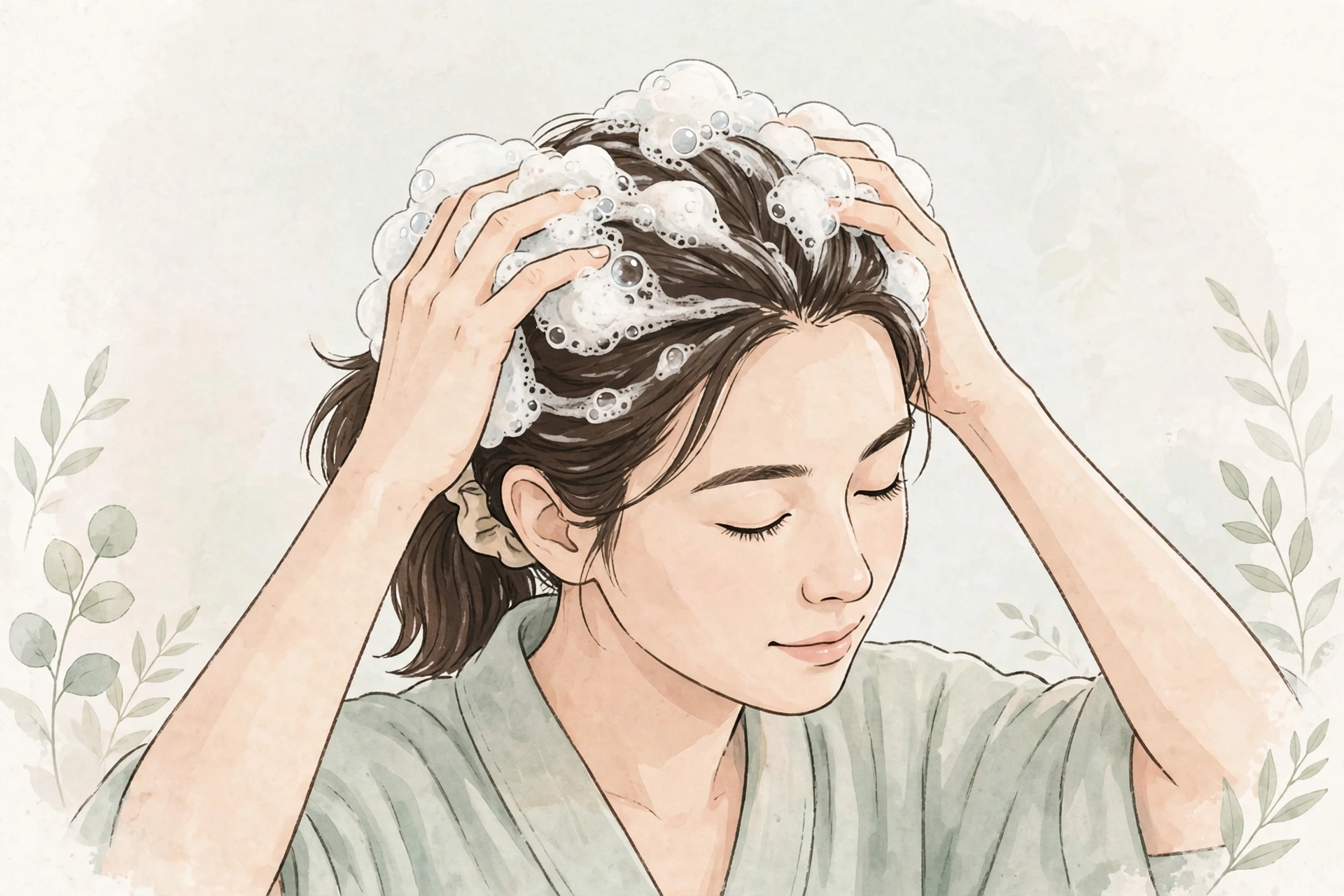
Comparison Table
| Feature | Caffeine shampoo | Ketoconazole shampoo |
|---|---|---|
| Main job | Follicle support, slip | Antifungal, anti-inflammatory |
| Best for | Breakage-prone, daily use | Dandruff, itchy/inflamed scalp |
| Evidence for regrowth | Thin for shampoo | Small, indirect, not primary |
| Leave-on time | 2-5 minutes | 3-5 minutes, then rinse |
| Main downside | Hype exceeds proof | Dryness, irritation for some |
Can You Use Both?
Yes, many people alternate: ketoconazole 2-3 times a week for scalp, caffeine or gentle shampoo on other days. Do not layer them at full strength every day if your scalp dries out. If you use a prescribed treatment, ask your clinician before adding either.

Verdict
Choose by your scalp, not by marketing. Dandruff or itch → ketoconazole first. No scalp disease, just breakage worry → caffeine is a reasonable gentle option, with honest limits — our OGX Anti-Hair Fall Coconut Caffeine Shampoo review looks at one such product in detail, and our breakage vs shedding guide helps you tell what kind of hair fall you have. Pattern loss → neither alone is enough; a clinician’s plan beats any shampoo comparison.
Frequently Asked Questions
Which is better for hair fall? Depends on cause — scalp disease favours ketoconazole, breakage favours gentle/caffeine support.
Does ketoconazole regrow hair? Not proven as a primary regrowth drug.
Does caffeine shampoo regrow hair? No large shampoo trial proves regrowth.
Can I use both together? Alternating is common; watch for dryness.
When should I see a doctor? Sudden, patchy, or heavy shedding, or scalp pain/sores.